
Help Oregon Define Water Waste
Water waste is a significant problem in Central Oregon that affects the wellbeing of communities, economies, and ecosystems across the region. Warmer, drier years and declining snowpack are further straining water resources and increasing the need for sustainable solutions to eliminate water waste and help ensure we can meet the water needs of our community.
Now, the Oregon Water Resource Department (OWRD) is in the process of scoping a rulemaking on topics that include waste of water, bulges in the system, exempt uses, violations and penalties, and rotation agreement. This rulemaking presents a rare opportunity to modernize important rules that govern key water management issues in Oregon.
Making the most of limited water resources in the high desert
As we face yet another exceptional drought year, It's critically important that OWRD hears from community members like you about the importance of modernizing these rules in tackling the water challenges facing Oregon communities today.
Central Oregon LandWatch is supportive of OWRD moving forward with rulemaking on all the rule divisions included in the scoping effort. One topic is of particular importance here in Center Oregon: defining what water waste is.
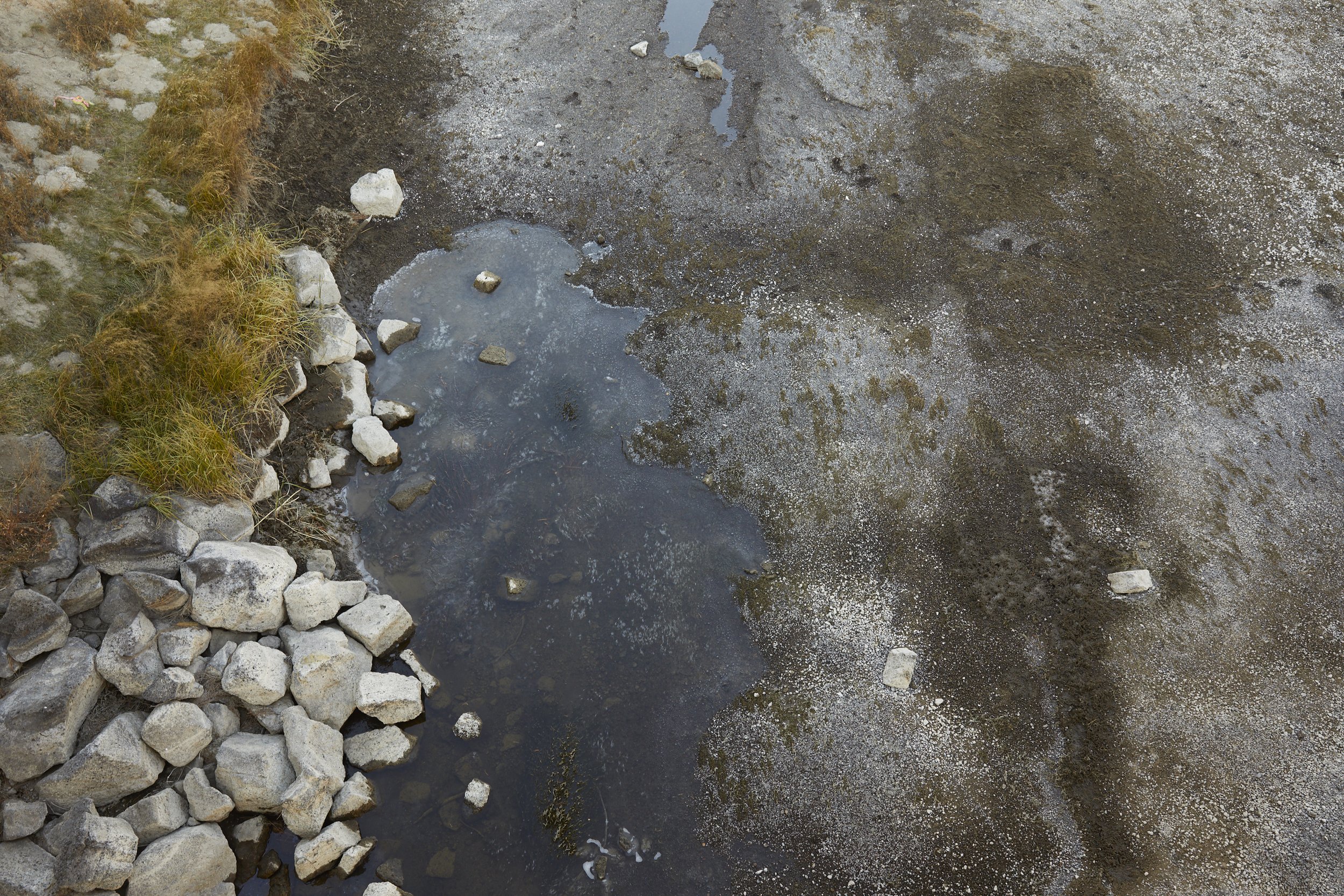
Regional water management for irrigation can seasonally expose the Upper Deschutes’ riverbed. Photo: Paul Riedmiller
All water in Oregon is owned by the public and managed in trust by the state.
The right to use water is based on a system of seniority, meaning those who were the first to put water to use in the 19th and 20th centuries have the legal right to receive their allotted water before those who came later. All water is required to be put to “beneficial use without waste.” But what the state considers “waste” is not clear, and this ambiguity has contributed to the rampant waste of water on a startling scale.
Take Action
OWRD’s rulemaking scoping process is accepting community feedback until June 26th, and the scope of the final rules will in part reflect what the public places importance on at this stage. This is a rare chance for the public to push for clearer, stronger rules for how our limited water resources are managed.
Click the button below to tell OWRD how you’d like to see water waste defined for a more sustainable future.
Note: The survey portal limits responses to 200 characters, but the form allows for multiple submissions. We encourage you to submit as many points as you feel appropriate to convey your feedback.
Not sure what to say? Here are some ideas:
We need to define two types of waste common in the Deschutes Basin: unnecessary water use (e.g. using more water than a crop requires) and non-beneficial water use (e.g. watering weeds or rocks).
We need forward looking rules for managing our precious water resources. I strongly support moving forward with all proposed topics in this rulemaking effort.
In the Deschutes Basin, water waste by senior water right holders is significantly harming our rivers, productive agriculture, and the future growth of our cities.
Drought is placing additional strain on our water resources and we can no longer afford to wait to tackle the issue of water waste.
Additional resources
Find more information about OWRD’s rulemaking here, including background handouts on each of the proposed topics.