Defend the Roadless Rule to Protect Our Wild Forests
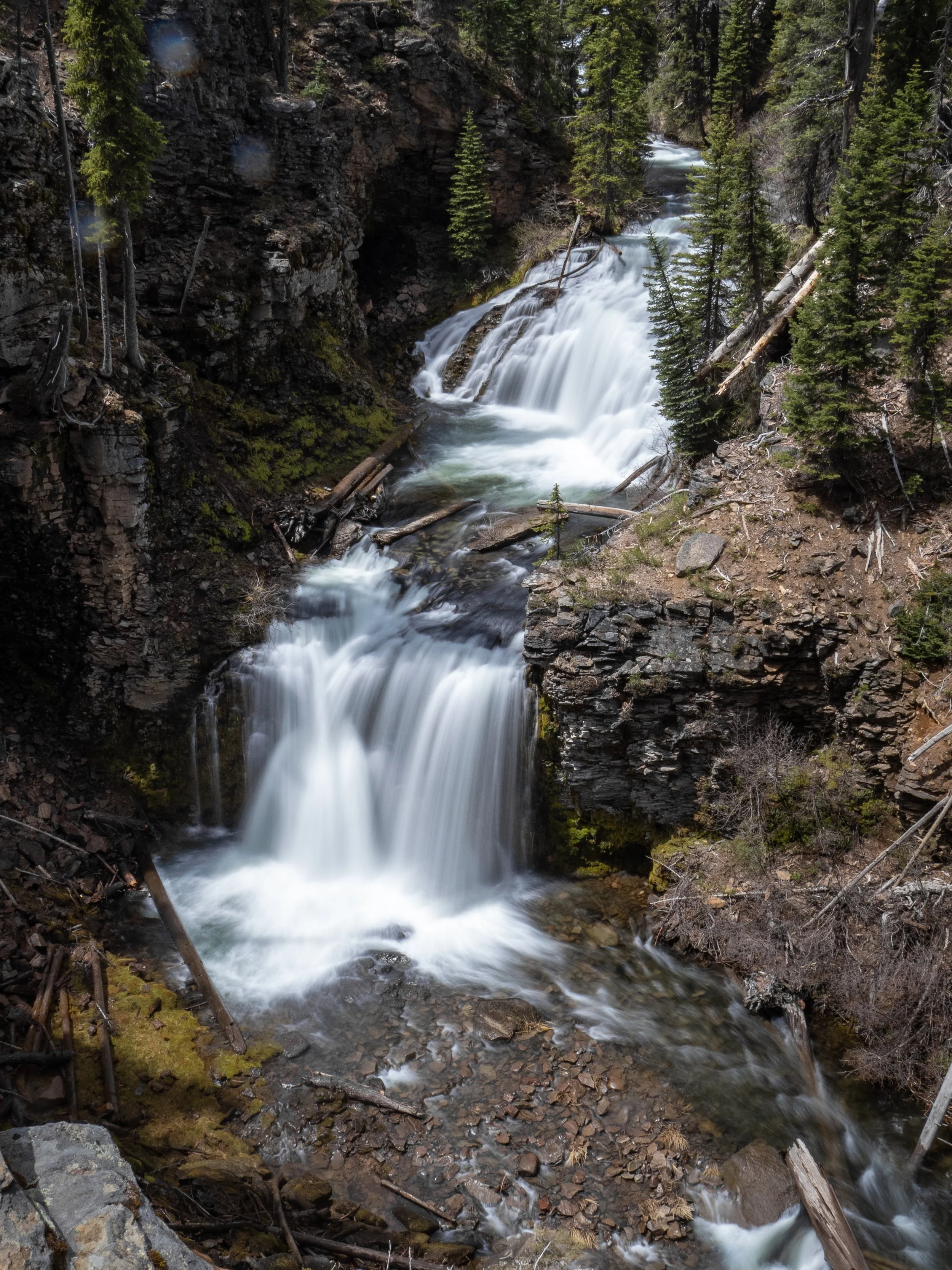
Bend’s Municipal Watershed originates from pristine spring-fed headwaters that originates in a local roadless area.
Photo: David Willingham
The Trump administration has moved to roll back the Roadless Rule—a critical safeguard that has protected 58 million acres of wild, public forestland nationwide since 2001.
In Central Oregon alone, the rollback could impact nearly 200,000 acres of inventoried roadless areas in the Deschutes National Forest and the Ochoco National Forest and Crooked River National Grasslands. This includes beloved locales like the Metolius River Basin, Tumalo Mountain, and the Cascade Lakes.
Local roadless areas supply clean drinking water to communities like Bend, provide essential fish and wildlife habitat, and define the wild, intact forestlands we love. When roads are built into these landscapes, they fragment habitat, increase fire risk, pollute watersheds, and open the door to industrial logging and mining.
TAKE ACTION
You can use the comment letter below as a base. When you submit your comment, add in a few lines about why roadless areas matter to you: clean water, wildlife habitat, recreational opportunity, or simply knowing wild places still exist.
-
In Central Oregon, nearly 200,000 acres of Inventoried Roadless Areas in the Deschutes National Forest, Ochoco National Forest, and Crooked River National Grassland have protected wildlife habitat, boosted local economies, and ensured clean drinking water for nearly 25 years.
I strongly oppose the USDA’s proposal to eliminate, alter, or weaken the Roadless Rule, which would reduce protections across nearly 45 million acres of public lands managed by the US Forest Service nationwide.
And I urge the agency to take the No Action alternative and maintain full Roadless Rule protections for America's wild forests.
Rescinding the Roadless Rule is impractical. In Central Oregon, opening roadless areas to logging will not yield a meaningful economic return. Instead, increasing roads will damage recreation areas, scenic views, and wildlife habitat, and eliminate the core reasons people choose to live, work, and recreate in Central Oregon.
Rescinding the Roadless Rule is dangerous. More roads also mean more fires: research shows wildfires are four times more likely to ignite near roads. More roads will also degrade drinking watersheds. In Central Oregon, the Bend Municipal Watershed begins in the headwaters of Bridge Creek and Tumalo Creek in the Deschutes National Forest. Losing Roadless protections will threaten water quality for fish species and the drinking water supply for more than 100,000 people in Bend, and tens of millions of people across the country.
Rescinding the Roadless Rule makes our forests less resilient. Roads spread invasive species, disrupt wildlife corridors, and erode forest resilience in the face of rapidly shifting wildfire regimes.
Let’s abandon this misguided effort to repeal the Roadless Rule and instead strengthen protections for America’s roadless forests for all the clean water, climate resilience, recreation, and habitat for biodiversity they provide.
Submit your unique comment before September 21, 2026 to help protect these irreplaceable places.