
With energy development on the edge of Newberry, we get the backstory on the monument designation from one of Central Oregon's environmental heroes
As of this fall, the Deschutes National Forest is considering a proposal to open 30,000 additional acres on the flanks of the Newberry volcano southeast of Bend for potential geothermal exploration and development.
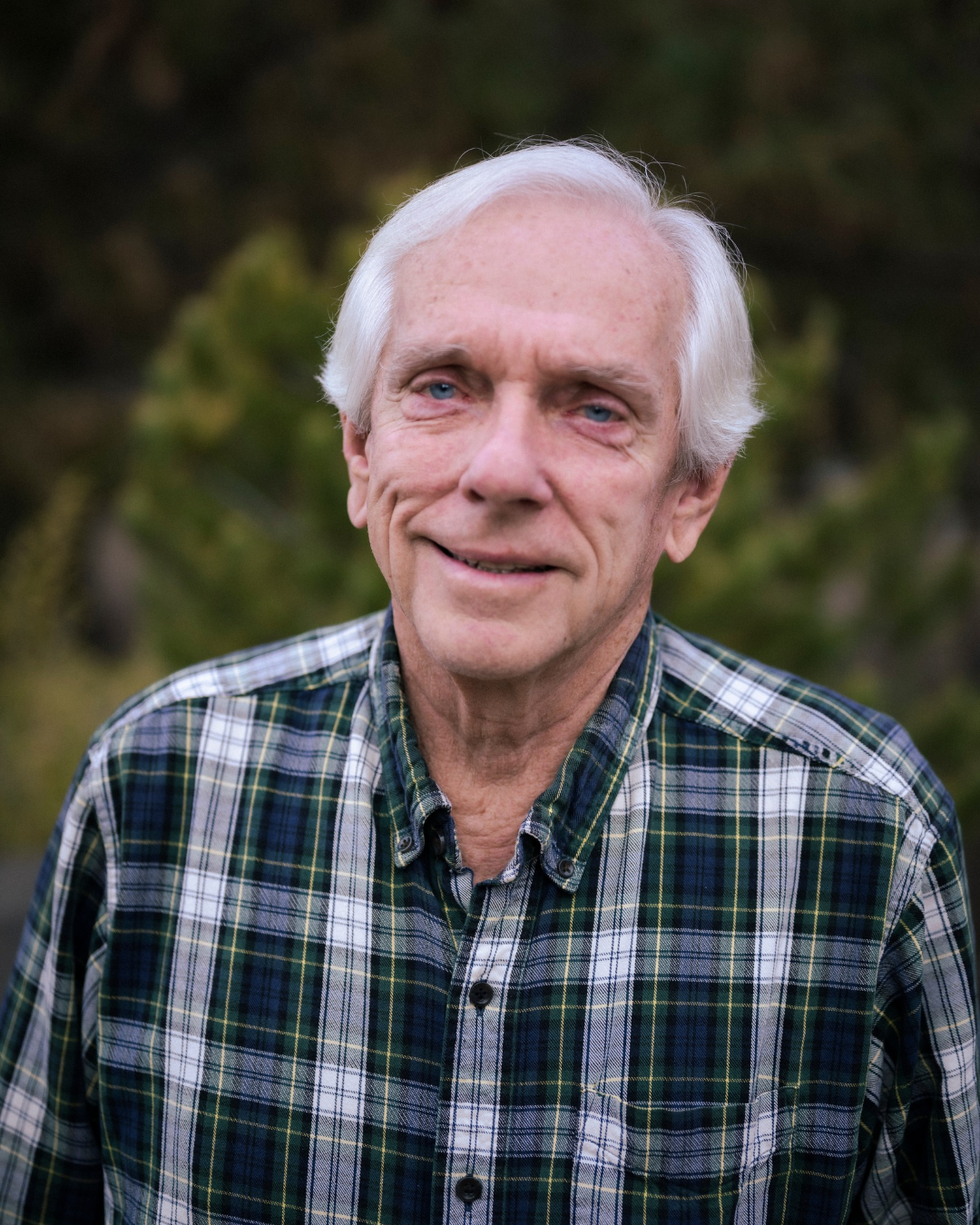
Stu Garrett is one of the original advocates for Newberry National Volcanic Monument
Photo Credit: Christian Murillo
In 1986, geothermal companies and the U.S. Forest Service first started drilling in the area surrounding the Newberry Caldera. When the Forest Service supervisor held a public meeting at COCC to explain what might happen, Stu Garrett was there.
“It was very clear to us that the commercial aspects of geothermal were going to be developed to the detriment of the natural resources,” recalled Stu. That threat propelled him and several friends and allies into a thoughtful course of action.
“We formed a citizens committee, which had skiers, snowmobilers, hunters, fisherman, and geothermal people.”
Stu and his nascent Newberry coalition, which included Central Oregon LandWatch founder Paul Dewey, started talking through everyone’s various needs and desires and the mechanisms that could offer the best protections. This launched them into the process of securing national monument designation.
In just four years — which feels incredibly fast by today’s standards — this coalition had achieved a designation that earlier attempts to add protective measures to the area (made in 1903, 1920, 1940, and 1970) had not. The Newberry National Volcanic Monument was signed into law by President George H. W. Bush on November 5, 1990.
Today, geothermal drills are once again tapping into the enormous heat stores in the Newberry Volcano. All proposed development is outside the boundaries that Stu and his coalition helped establish with the monument designation.
LandWatch sees the current exploratory geothermal projects near Newberry as interesting opportunities with exciting potential for Central Oregon, but we still have uncertainties surrounding specific land use and forest impacts and Tribal concerns. It is still unknown whether we’ll see adequate public process for site-specific project development under an administration that has pushed an “energy dominance” agenda. However, the results of the recent midterm give us a lot of optimism for more transparent public processes.
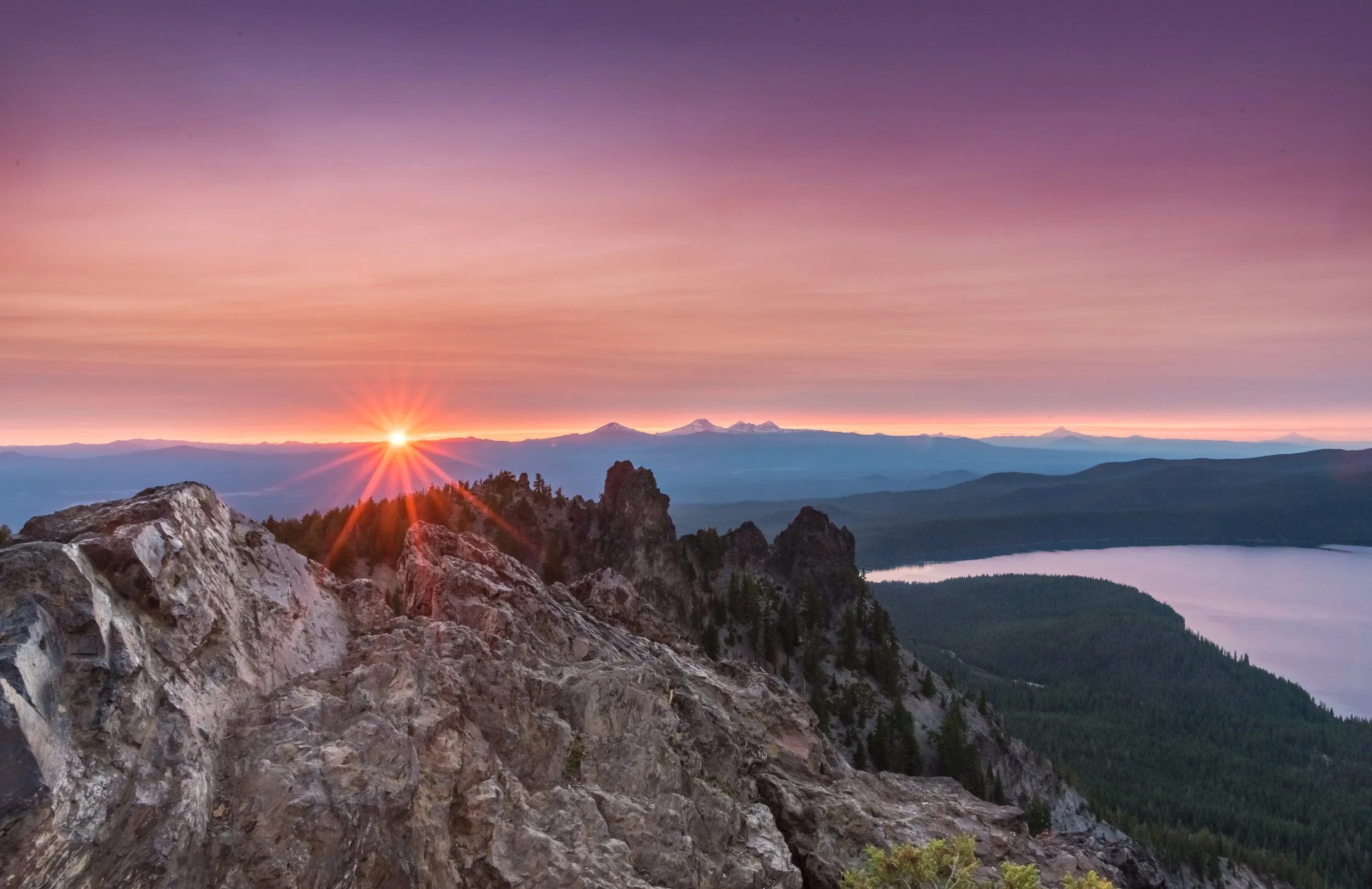
Sunset viewing from Paulina Peak at the top of the Newberry Caldera
Photo Credit: Kelly Vandellen
Stu is also keeping a watchful eye on the monument and still meets with Forest Service agency staff. He hopes the drilling platforms and transmission lines will have as little ecological impact as possible.
“Most of the people I talk to are happy to see a source of energy that doesn’t kill salmon and doesn’t put more carbon into the atmosphere, so geothermal makes sense around here,” Stu observed, adding, “The monument successfully pushed development out of the caldera and onto the flanks, which is what we thought would happen.”
Advice for Advocates Today
Stu’s nuanced perspective, which considers the costs and benefits of where we generate our energy, along with the intrinsic value of nature, is both pragmatic and inspiring.
Here’s his advice for the next generation of advocates:
““Go where your heart is. If you’re interested in old-growth forests, start tracking that. If you’re interested in sagebrush steppe, start tracking that. If you’re interested in energy supply, there are lots of opportunities. You just need to make contacts with other people who are also interested in those things, as well as the staff at the agencies.””