Thank you for your generous gift!
The Latest
Supporters like you make our ambitious work to create a more livable future for all of Central Oregon possible.
If you would like to make your donation go even further, please check if your employer will match your gift! You can also view recent updates below to learn more about our wide-ranging work to protect what we love about Central Oregon.
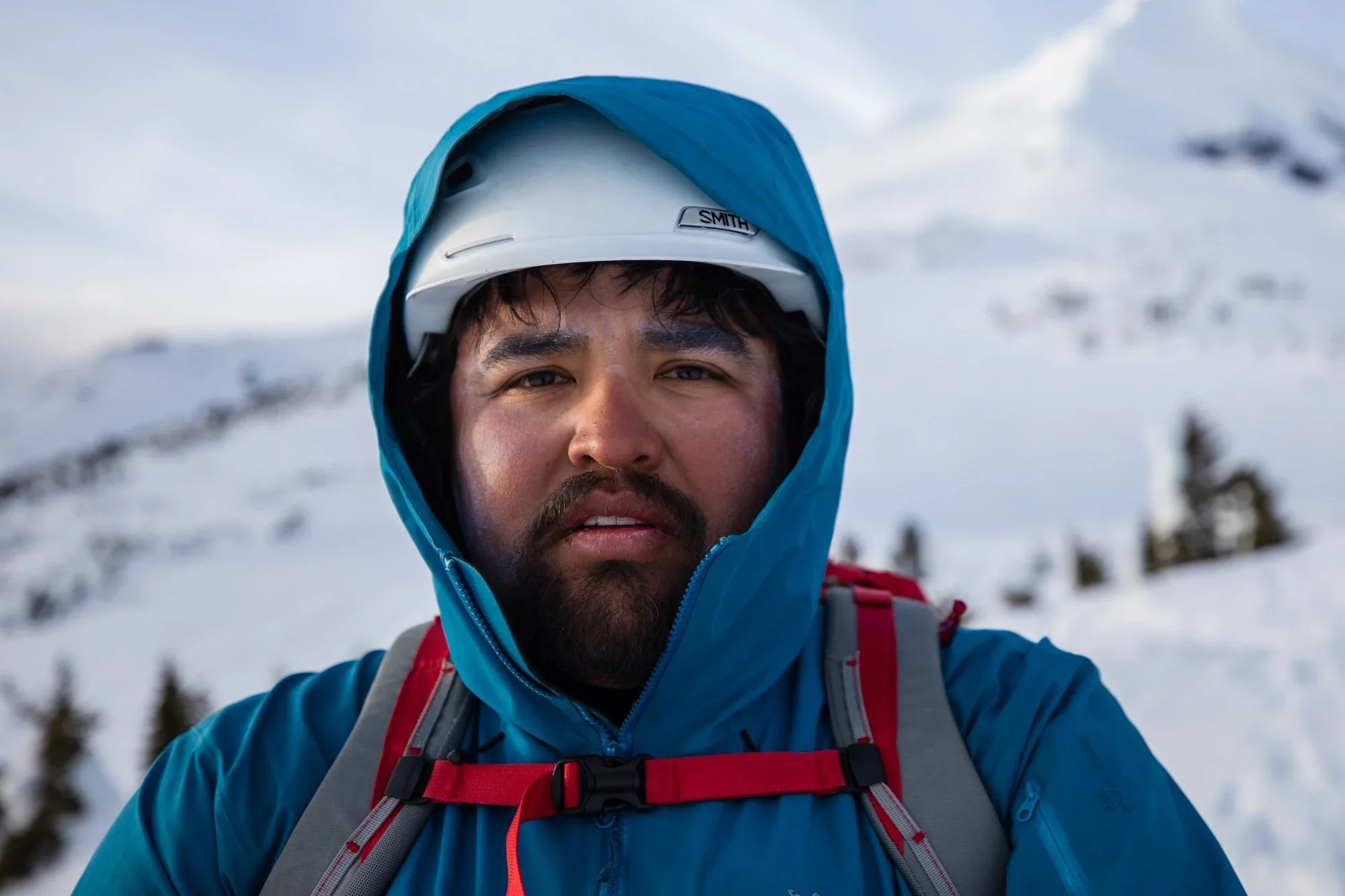
Join us for an evening of adventure, where Dr. Len Necefer will share some of his latest films at the Livable Future Forum on October 15. Climber and climate advocate Graham Zimmerman will also share his unique perspective of climate and land use topics, while guiding us through proceedings.
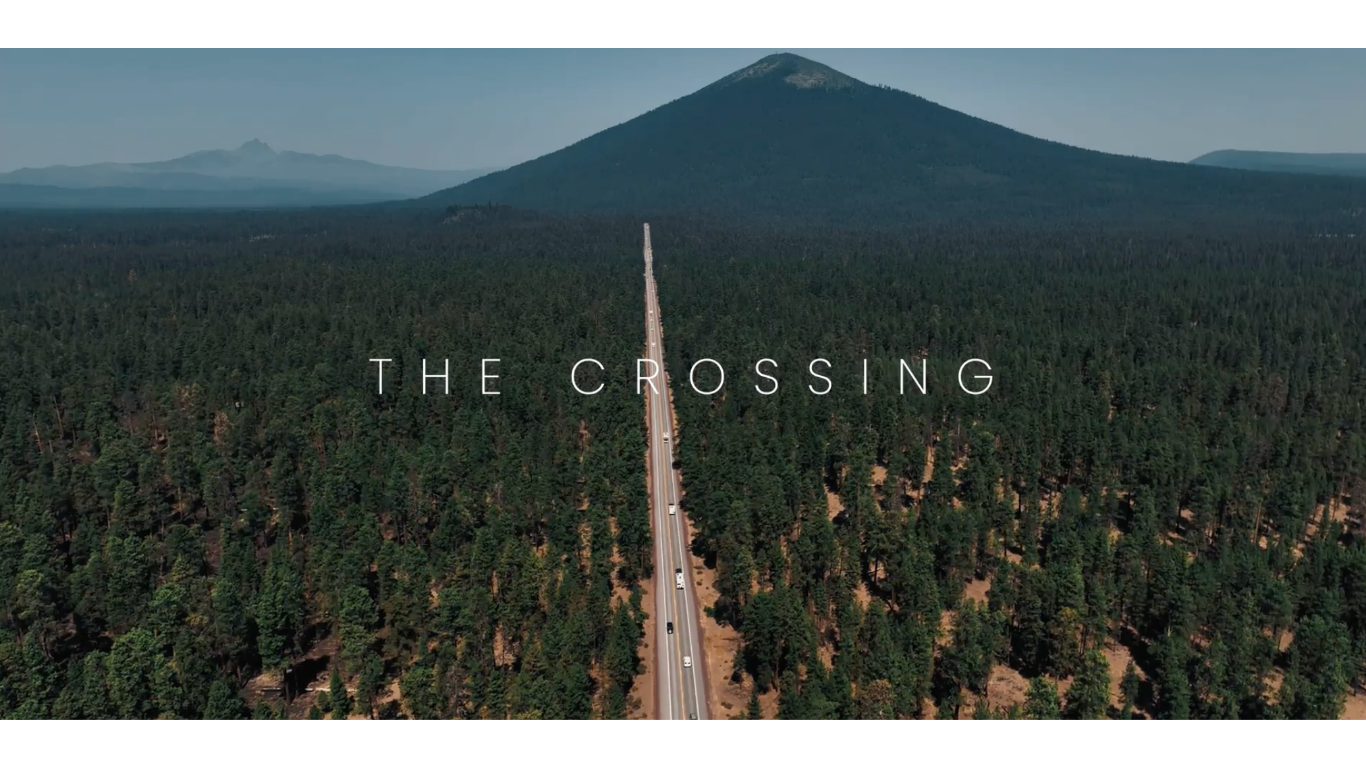
With “The Crossing,” filmmaker Veronica Wood takes a cinematic look at the impact of roads in our communities and nature. Find out how you can get your name in the credits, and catch the debut on October 24, as part of the Livable Future Forum.
In the final piece of our water waster series, we focus on one key move that could be achieved through legislative or administrative action to address wasteful water use practices and inequitable distribution in the Deschutes Basin. The amount of water that could be saved by this one move alone is astonishing.
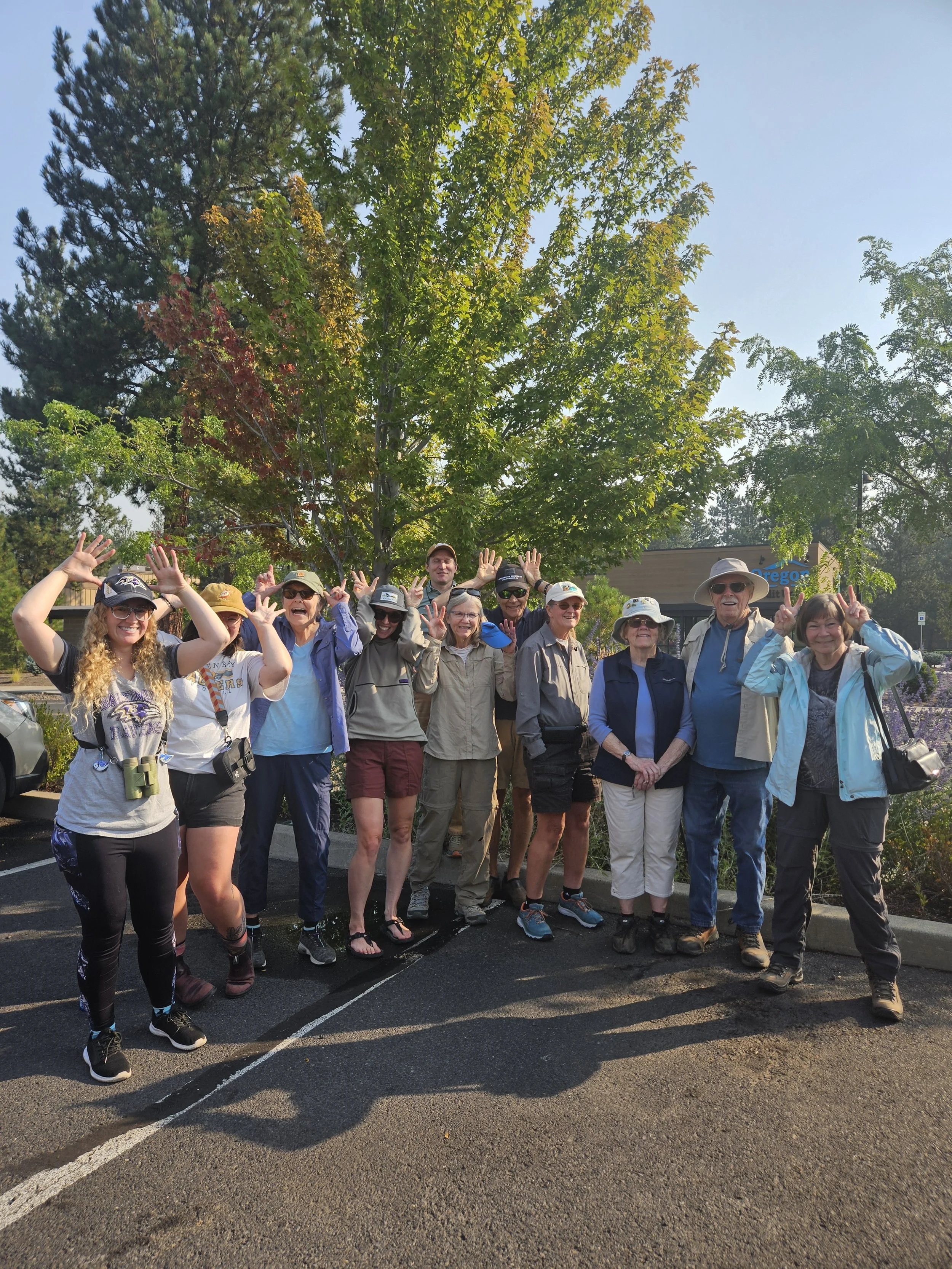
This summer, to help mark our 40th anniversary, we headed out to explore three places that Central Oregon LandWatch has played an integral role in preserving and shaping.
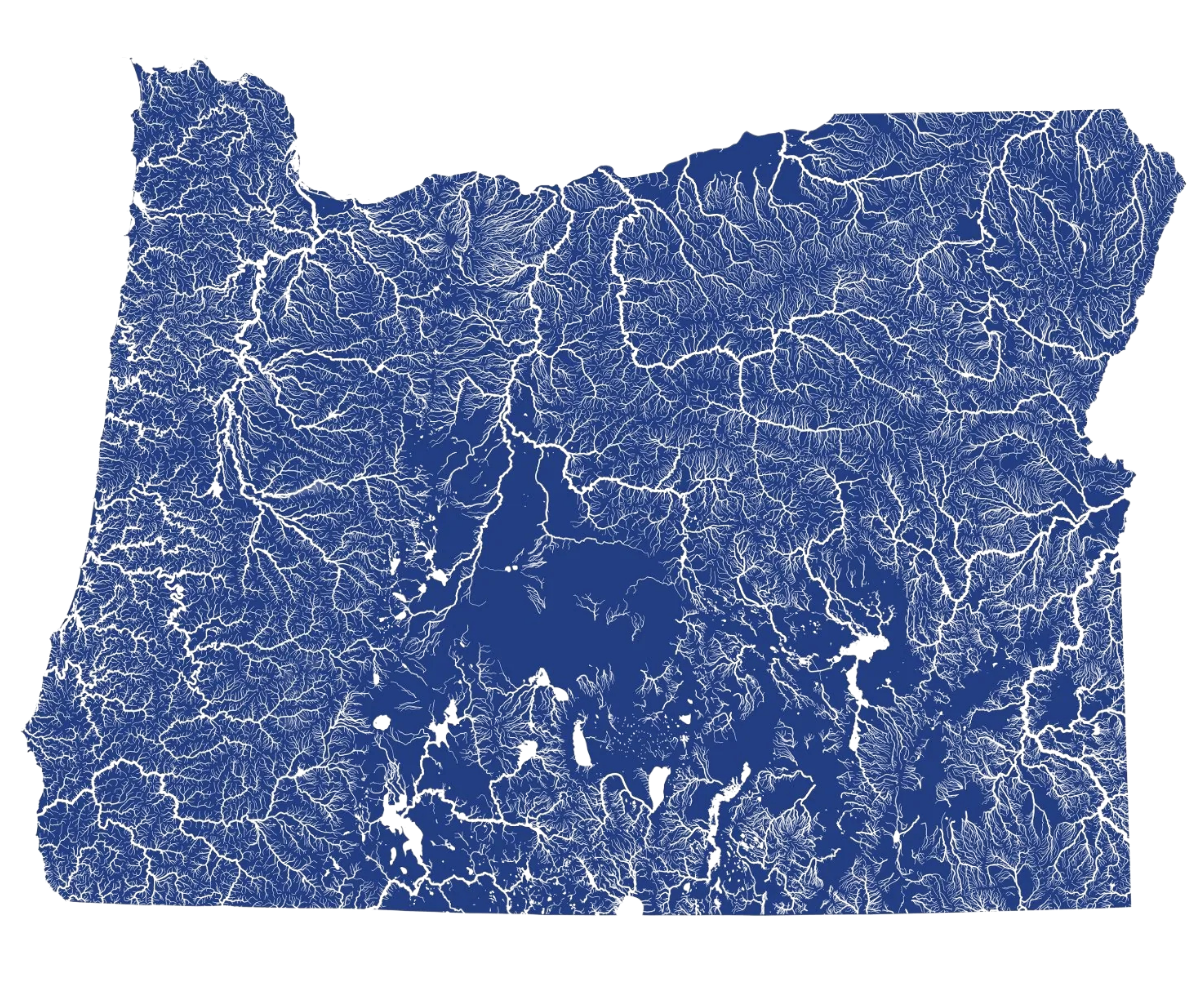
The Deschutes Basin is a dynamic watershed, an Indigenous homeland, a municipal water supply, a productive agricultural region, and the backbone of Central Oregon’s recreation economy. Unlike other basins across the West, the Deschutes Basin is fortunate to have enough water to reasonably meet all of these water users’ needs—if sensibly managed and allocated.
Those who need water least often get the most, while the most productive farms in the region, municipalities, and river ecosystems struggle to get by with whatever water is left.
An antiquated system for allocating Central Oregon’s surface water is colliding with 21st-century urbanization and county land use practices in ways that magnify waste and inequity.
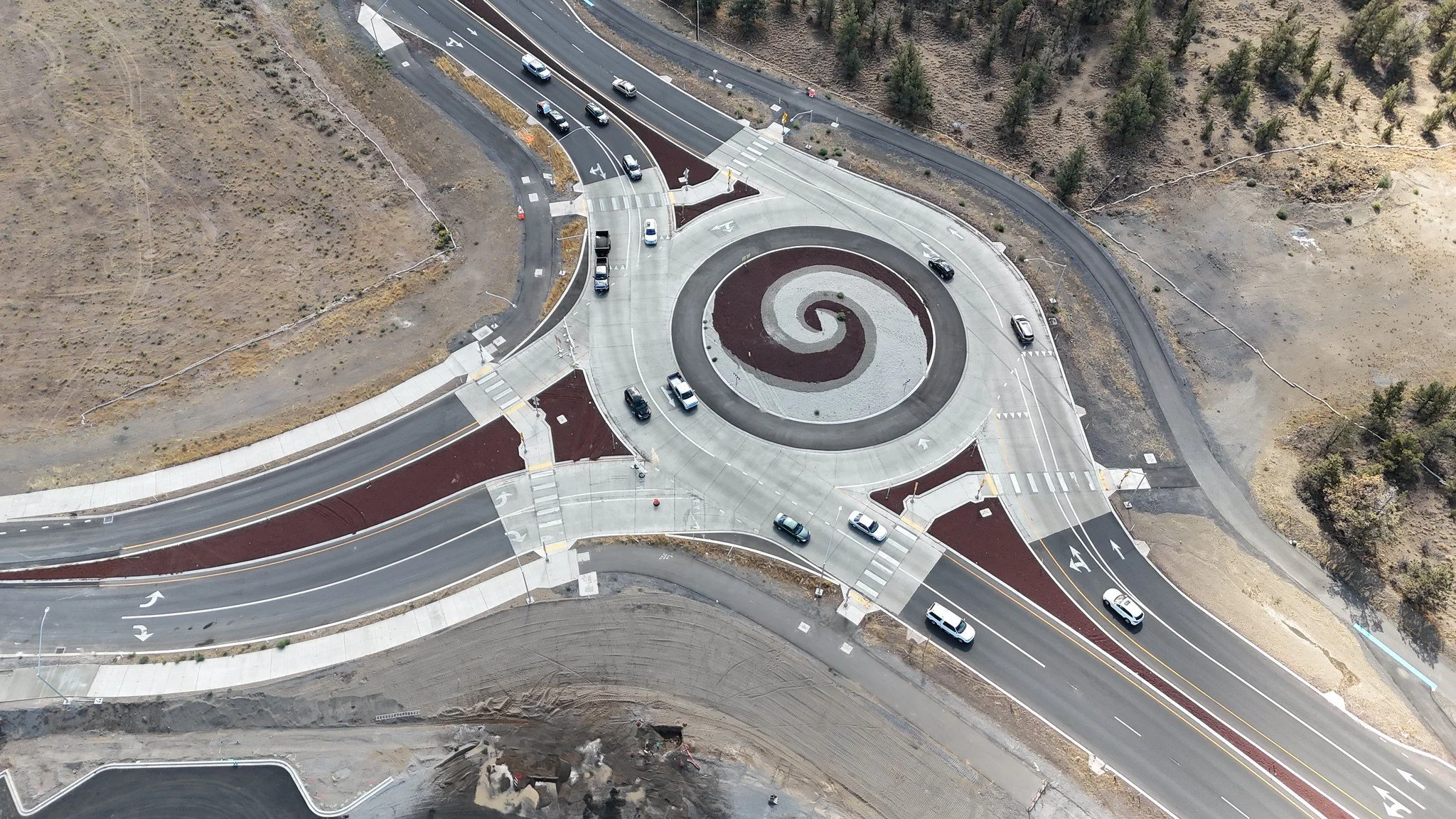
The City of Bend has constructed more than 50 roundabouts to date, and that number grows every year. We look into the reasons why, and share some insight into the future of roundabouts in Bend.
Across Central Oregon, irrigation districts deliver nearly twice the water local crops require; water is applied to weeds and lands not currently practicing agriculture; porous canals lose up to half the water diverted from the river.
It sounds like something has gone very wrong. But in many ways, Central Oregon’s water management system is actually designed to create waste.
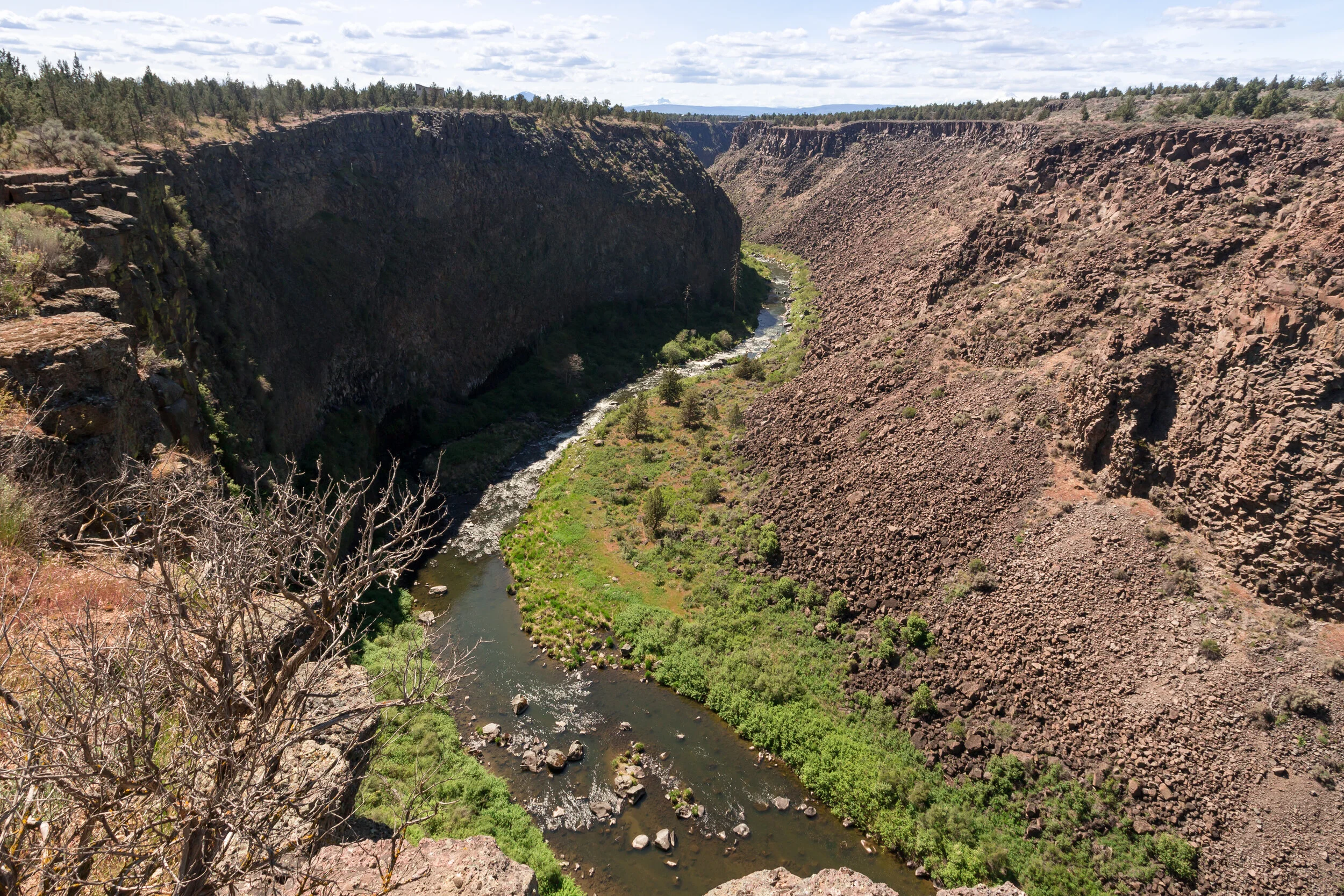
It’s National Rivers Month, so we’re taking a look at two Central Oregon streams that are near, dear, and deserving of our care: the Crooked River and Whychus Creek.